





Does Purified Water Have Minerals? Benefits and Effects
by
Dr. Jonathan Doyle - Updated November 10, 2025


In a world increasingly concerned with water quality, knowing the composition of your water is essential. While purified water is typically considered cleaner than regular tap water, the purification process often removes not only harmful contaminants but also essential minerals like calcium, magnesium, and potassium.
While the removal of minerals may be beneficial for people looking to avoid certain substances, some wonder whether this makes purified water less beneficial for health.
Understanding the difference can help you make an informed choice about the type of water that best suits your needs, whether you're concerned about hydration, taste, or overall wellness.
What Is Purified Water?
According to the U.S. Food and Drug Administration (FDA), purified water is defined as water that " is essentially free of all chemicals (it must not contain more than 10 parts per million of total dissolved solids)".
This purification process typically eliminates harmful elements such as bacteria, viruses, chlorine, heavy metals, and sediments. The aim is to make the water cleaner and safer for consumption, improving both its taste and quality.

Purified water can be produced through several methods, including reverse osmosis, distillation, deionization, and carbon filtration.
For example, in reverse osmosis , water is passed through a semi-permeable membrane that filters out most dissolved solids, leaving behind clean, purified water. Distillation, on the other hand, involves boiling water and then condensing the steam back into water, leaving contaminants behind.
Does Purified Water Contain Minerals?
The short answer is that purified water essentially has no minerals in it. The reason for this is that purified water is designed to remove all types of impurities from it. Common impurities include minerals that are found in natural sources like lakes and underground reservoirs.
For instance, in this reverse osmosis progress, water is passed through a semi-permeable membrane that sifts out all impurities and leaves only pure H2O behind. But in this process, all minerals are also left behind in favor of mineral-free water.”
The EPA notes that natural mineral content significantly influences taste, explaining that " minerals such as magnesium and calcium give water a distinctive flavor "
Nowadays, many water filtration brands like Waterdrop have now developed RO systems that can add minerals , so even after 11-stage filtration, the water still retains a good taste and various healthy minerals.
Health Benefits of Purified Water
Cleaner and Safer Drinking Waterdrop
The primary benefit of purified water is that it removes harmful substances like bacteria, viruses, chlorine, heavy metals, pesticides, and sediments that may be present in untreated tap water.
By eliminating these contaminants, purified water reduces the risk of waterborne diseases, gastrointestinal issues, and long-term exposure to harmful chemicals. This makes it an ideal choice for those who are concerned about water quality and safety.

Better Hydration
Clean water without the taste of chlorine or other chemicals can be easier to drink, leading to more consistent hydration. It's vital for maintaining bodily functions such as temperature regulation, digestion, and detoxification.
Improved Skin Health
Additionally, by removing contaminants that can cause skin irritation, purified water may help people with sensitive or acne-prone skin avoid flare-ups associated with impurities in unfiltered water.
Why Some People Prefer Mineral Water Over Purified Water
Mineral water is known to have a high mineral content that is beneficial for human health. The presence of calcium, magnesium, and sodium makes this type of water ideal for hydration and has various health functions.
The WHO suggests consuming certain minerals in water may be beneficial, recommending a minimum of 20 mg/L of calcium and 10 mg/L of magnesium to " help to protect against nutritional deficiency ".
Due to its mineral components, many people have turned to mineral water as a choice if they want to ensure that they have all the required minerals without resorting to supplements.
In a Waterdrop consumer study, the majority believe that its taste is superior compared to both regular tap water and purely purified water, often describing the flavor as more "natural," "refreshing," and "clean" .
The downside to mineral water is that its cost can easily surpass that of purified water and may not always be within reach.
How to Get Minerals if You Drink Purified Water
If you're drinking purified water, there are a few simple ways to ensure you're still getting the minerals your body needs:
1. Use a Mineralized Water Filter
Many American families love to use high-quality water filtration systems that keep minerals, Waterdrop brand is one of the most popular choices.
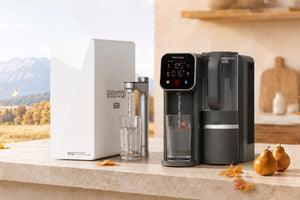
Waterdrop Y1CH Mineral RO Bottleless Water Cooler

The Waterdrop Y1CH utilizes a 10-stage advanced filtration system. It incorporates a 0.0001μm RO membrane and a dedicated mineralization filter.
The system effectively reduces contaminants such as fluoride, PFAS, chlorine, and heavy metals while preserving beneficial minerals
What's else, It can connect directly to the water supply, eliminating the need for heavy bottles, minimizing plastic waste. The system is ENERGY STAR certified
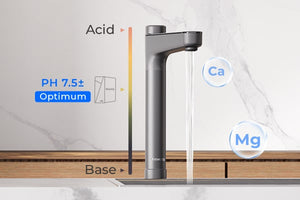
Waterdrop X12 Alkaline RO System
The Waterdrop X12 is a tankless undersink RO system, it features an Alkaline Mineralization function. Best for families seeking enhanced water quality beyond basic contaminant removal, particularly those interested in alkaline water benefits.
It also uses innovative "healthy boost-tech" to infuse alkaline minerals, such as Ca and Mg. This process adjusts the water's pH to an optimal 7.5±, to elevate cooking and drinking flavors.
Waterdrop WD-MNR35 Mineral Filter
If you bought other ro system from Waterdrop and don't want to waste more money to get a new one, We recommend the Waterdrop WD-MNR35 Remineralization Filter as a simple and effective upgrade. It's specifically designed to Restore Essential Minerals for the RO System.
For customers seeking to revitalize the taste and health profile of their RO water, the WD-MNR35 is the ideal accessory.
2. Eat Mineral-Dense Foods
Eating mineral-dense foods is one of the healthiest ways to ensure that you get your required intake of minerals. Mineral-rich foods like spinach, nuts, seeds, and dairy products are rich in calcium, magnesium, and potassium.
3. Take Mineral Supplements
If you are not getting enough minerals in your diet, you can opt to take mineral supplements. Mineral supplements will ensure that you get your required daily intake of minerals.
Conclusion
Purified water is a great choice to ensure that you are drinking clean and filtered water that is free from impurities. However, this water is mineral-free. Therefore if you are drinking this water regularly, it is important that you are getting your required minerals through some other sources.
Waterdrop offers many water filters with a minerals , like Waterdrop T4-A Dual Flow RO System , or remineralization filter for your normal water filtration system. It allows you to infuse your filtered water with essential minerals. In this way, you have the best of both worlds: you enjoy the purity of your filtered water and its mineral properties.
Whichever water choice you opt for—purified water, mineral water, or a mineral-infused filter, just ensure that your drinking water serves your health needs.
FAQs About Does Purified Water Have Mineral
1. What is the difference between purified water and mineral water?
Purified water is filtered to remove its impurities. The end result is that purified water is free from impurities but mineral-free as well. Mineral water is mineral-rich and has substances like calcium, magnesium, and sodium. Mineral water is beneficial to your health.
2. Can purified water be safely ingested?
Yes, purified water is safe to drink. It goes through a filtration process that removes harmful contaminants, ensuring that it's free from bacteria, viruses, and toxins. However, it lacks the minerals found in other types of water.
3. Can you add minerals to purified water?
Absolutely. In fact, you can restore those minerals to purified water through a mineralization filter. In many sophisticated filters available in the market today, including Waterdrop X16 ro system offered by Waterdrop, mineralization is possible to ensure that you have purified and healthy water.
4. Can purified water cause mineral deficits?
If you drink only purified water and don't consume enough mineral-rich foods, you could risk mineral deficiencies over time. To prevent this, make sure your diet includes foods high in calcium, magnesium, and potassium, or consider supplementing your water with added minerals.

Choose Your Water Solutions
- Smart Reverse Osmosis System No Tank, No Bacteria
- Water Filter for Sink Space & Water Saving
- Refrigerator Water Filter Pure Water, Effortlessly
- Water Filter Pitcher Stay Hydrated Always
- RO System Replacement Filters Change Your Filters Regularly
Categories
- Buyer's Guide Complete buying guides to help you choose wisely
- Water Contaminants Offer the best solution to solve the water problems
- Water Stewardship Responsibility for sustainable water management
- Home and Wellness A better and healthier world for individuals and families
- Customer Voice Take a look at how other users evaluate Waterdrop


