





How to Ready Your Home for a Winter Storm: A Family Survival Guide
by
Dr. Jonathan Doyle - Updated February 02, 2026


Ensuring Safe Drinking Water
One of the most neglected aspects of winter storm preparedness is ensuring the availability of clean and safe drinking water. Winter storms may cause disruptions in the supply of clean and safe drinking water, as power outages, frozen pipes, and storm surges may interfere with the supply.
According to the Environmental Protection Agency , it is recommended that households have on hand a reserve of clean drinking water, with a minimum reserve of one gallon per person per day, with a minimum reserve required for three days. The reserve should be enough to sustain the family for at least two weeks.
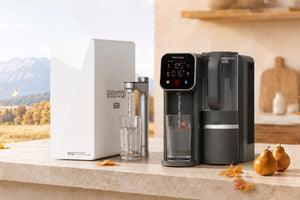
Although having a supply of clean and safe drinking water is available, winter storms may cause the supply of clean and safe drinking water to be contaminated with sediments, debris, and chemicals. Installing a home water filtration system will provide additional security in the maintenance of safety and health during winter storms. Installing a water filtration system will also improve the taste and odor of the water, as the chlorine used in the purification of the water may cause the water to have an unpleasant taste and odor.
To be best prepared:
- Store bottled water in a cool, dark place, away from chemicals.
- Keep large containers or water barrels as supplementary emergency reserves.
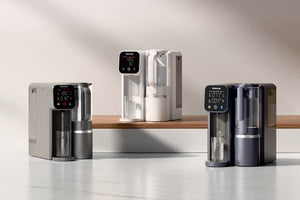
- Know your water filtration system, whether it is a pitcher, countertop, or under-sink filtration system , and whether it has the capacity to purify water that has been contaminated by winter storms.
Having an available source of clean and safe water for consumption is not a luxury but a necessity for the well-being of the family. Being prepared also eases stress in times of unexpected events.

Power Outages and Heating Safety
One of the possible effects of winter storms is power outages. This may happen for an extended period. This is a challenge for families that rely on electricity for their heaters and water pumps, as temperatures may fall to very low levels. According to the Centers for Disease Control and Prevention , exposure to cold temperatures for an extended period may cause hypothermia, especially for babies and elderly persons. It is therefore important for families to consider alternative means of keeping themselves warm:
Alternative heating methods
- Fireplaces and wood stoves may be considered as alternative means of keeping warm.
- Portable electric or propane heaters may also be used for warming.
- Blankets and warm clothing should also be available for everyone.
Using generators safely
If families have generators, they should consider the following:
- Generators should be placed outdoors and kept dry. It should also be placed at a safe distance from windows and doors. A carbon monoxide detector with fresh batteries should also be attached.
- Generators may be used for maintaining communication, such as keeping mobile devices charged, having a backup power source, and having a solar charger.

Food and Supplies for Winter Storms
During a winter storm, it may be necessary for an individual to stay indoors for an extended period. Having the right food supplies on hand may be critical. Winter storms are characterized by low temperatures, which may necessitate such a stay. The supplies include:
Food supplies
- Canned vegetables, beans, and soup
- Dry supplies like rice, pasta, and oatmeal
- Nut butter, granola bars, and trail mix
- Powdered milk
Other essential supplies
- Manual can opener
- Cooking equipment like a camping stove or a slow cooker
- Bottled water, along with water purification tablets or equipment
- Flashlights, batteries, and candles
Additional supplies for extended periods
- Extra fuel for heating, especially if using a wood, propane, or kerosene heater
- Extra warm clothing, blankets, etc.

Caring for Children and Pets
Winter storms do not only affect adults; children and pets are also affected. The following measures may be taken into consideration:
Children and babies
- Enough blankets, hats, gloves, etc.
- Babies may also need diapers, baby formula, as well as enough clothing to keep them warm.
Pets
- Enough pet food, water, etc.
- Shelter them from cold.
Educating children on safety measures, like staying indoors, avoiding areas with ice, and wearing warm clothing, may help reduce accidents. Pets may also be kept indoors , and their water may be kept from freezing.
Thus, including every member of a household, including pets, in a winter storm preparedness plan may ensure a safe, healthy, and comfortable home environment.
Emergency Communication
Communication is key during a winter storm. The following are recommended for use in a home:
Communication tips
- Charge your devices and backup power sources
- Keep a list of emergency contacts and a meeting point in case of evacuation
Listening to weather updates through a radio or mobile application is crucial during a winter storm. According to FEMA, it is recommended that one has a small battery-powered or crank-type radio.
Communication helps to reduce panic, increases safety, and ensures that everyone in the house can safely evacuate.

FAQ: Common Winter Storm Questions
Q1: What is the recommended amount of water per person?
A: At least one gallon of water per person per day, for up to two weeks.
Q2: Can I use tap water during a winter storm?
A: Yes, unless there is a problem with supply interruption. It is recommended to use bottled or filtered water. Invest in a reverse osmosis water filter is a wise choice to keep your water safe and clean all the time.
Q3: How do I prevent my pipes from freezing?
A: Keep your taps dripping, insulate your exposed pipes, and keep your home temperature at or above 55 degrees Fahrenheit.
Q4: What heating sources are safe to use during a winter storm?
A: Fireplaces, wood stoves, and portable heaters, as long as there is good ventilation. Never use your outdoor heating sources inside your home.
Q5: How do I care for my pets during a winter storm?
A: Provide your pets with a warm place to stay, ensure their water is not frozen, and keep your pets inside.
Q6: What are the basic food supplies that may last for several days?
A: Non-perishable food supplies such as canned goods, dry grains, nut butters, snacks, infant supplies, and special dietary needs.
Q7: What is the best way to get information if the power goes out?
A: Battery-powered or hand-crank radio, as recommended by FEMA .
In conclusion, winter storms can be endured safely and comfortably. The water filtration system is an important component for safe drinking water. Planning ahead will improve safety, comfort, and security for everyone, including children, pets, and adults.
Winter storms can be endured effectively with the guidelines provided. Families can endure the winter storm confidently, safely, and comfortably.

Choose Your Water Solutions
- Smart Reverse Osmosis System No Tank, No Bacteria
- Water Filter for Sink Space & Water Saving
- Refrigerator Water Filter Pure Water, Effortlessly
- Water Filter Pitcher Stay Hydrated Always
- RO System Replacement Filters Change Your Filters Regularly
Categories
- Buyer's Guide Complete buying guides to help you choose wisely
- Water Contaminants Offer the best solution to solve the water problems
- Water Stewardship Responsibility for sustainable water management
- Home and Wellness A better and healthier world for individuals and families
- Customer Voice Take a look at how other users evaluate Waterdrop


