




Does Drinking Water Help You Poop?
by
Dr. Jonathan Doyle - Updated July 27, 2025


We all know what it's like to be constipated – this issue affects millions of people worldwide. When you can't get things moving, it can be downright frustrating. However, many people say that one of the easiest ways to stay regular is to drink some water, but does this really work?
You're in the right place if you've been wondering: Does drinking water help you poop? Keep reading to learn more about the connection between drinking water and constipation!
The Role of Water in Digestion
Before diving in, you need to understand the role that water plays in the digestive system. Why do we drink water anyway? The answer is that, when it comes to digestion, sufficient hydration keeps things moving through the intestines, helps us break down food, and ultimately facilitates nutrient absorption.
This means that staying hydrated allows the entire digestive system to work properly and can also help prevent or alleviate constipation.
Does Drinking Water Help You Poop?
The short answer is yes, drinking water does help you poop. In fact, it's actually one of the best natural ways to relieve constipation. Here's what happens when you drink water:
1. Loosens Stool
We all know the feeling of trying to pass stool that is hard, dry, and even downright painful. Usually, this happens when we don't drink enough water – water helps keep everything loose and easier to eliminate.

2. Helps Bowel Movements
The intestines use water to contract and move waste through the body. Not to mention, drinking enough water can reduce discomfort and bloating.
3. Fiber + Water = Dream Team
Did you know that water actually activates fiber? Hydration can bulk up the stool, allowing it to move through the colon more easily. This also means that if you're eating a lot of fiber but not enough water, it can actually exacerbate your constipation.
How Much Water Should You Drink for Constipation?
Your age, level of activity, and diet will determine how much water you should drink, but a general rule of thumb is to consume between 2 and 2.5 liters of water per day.
If you're dealing with constipation, you can gradually increase your water intake to see how your body responds.
Click here to learn more about Is Lemon Water Good for You?
Other Natural Ways to Poop
In addition to drinking water, here are some other ways to stay regular:
1. Eat More Fiber
Fruits, veggies, beans, oats, and whole grains are rich in fiber and add bulk to your stool, improving the consistency. However, as we mentioned earlier, be sure to drink plenty of water when consuming these high-fiber foods.

2. Move Your Body
Moving your body can also stimulate movement in your digestive tract. Light movement, like yoga or walking, can help induce a bowel movement.
3. Try Natural Laxatives
Nature has many natural laxatives, including prunes, chia seeds , flaxseeds, and leafy greens. These are gentler than harsh over-the-counter laxatives!
4. Create a Routine
You can promote your digestive routine by going to the bathroom at the same time every day. Never ignore the urge to poop, and when you're on the toilet, do your best to relax.
Signs You May Not Be Drinking Enough Water
When you're not getting enough fluids, you may have these symptoms:
- Hard, dry, or infrequent stools
- Bloating or abdominal discomfort
- Fatigue or dizziness
- Dry mouth and skin
If you're experiencing these symptoms, your body may be telling you to drink more water. Maintaining good hydration habits can significantly improve your digestion.

Best Types of Water for Digestive Health
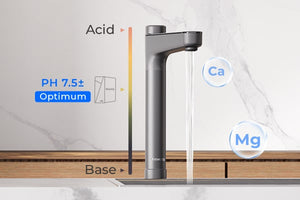
While all clean drinking water is beneficial, some people prefer filtered water to avoid chlorine or other chemicals that may irritate the gut. You may also consider reverse osmosis systems for extra-pure water at home.
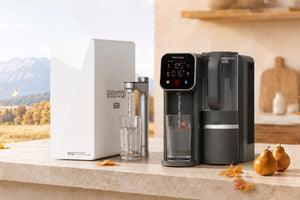
Looking for a better way to stay hydrated? A high-quality Waterdrop water filter ensures you're drinking clean, safe water that supports your health and digestion.
Conclusion: Stay Hydrated for a Healthy Gut
So, does drinking water help you poop? Absolutely. You need to drink water to promote a healthy digestive system, soften your stool, and prevent constipation. Along with fiber and exercise, hydration is one of the best and most natural ways to relieve constipation.
Dealing with frequent constipation? Start by increasing your water intake!
Frequently Asked Questions (FAQ)
Can drinking warm water help with constipation?
Yes, drinking warm water is a great way to relieve constipation naturally. Warm water can relax the muscles within the digestive tract, increase blood flow, and stimulate gut activity, thereby promoting bowel movements. This can be highly effective when combined with a short walk or gentle stretching.
How fast does drinking water relieve constipation?
The short answer is – it depends! For many people, drinking some water can relieve constipation in just a few hours, especially if the main cause was dehydration.
On the other hand, it could take others a full day or more to notice a difference after increasing hydration. If your constipation persists for several days, even after increasing your water intake, speak with your doctor or consider other natural remedies.

Is drinking too much water harmful?
Although you need enough water to survive, there is such a thing as too much water! If you drink too much water in a short period of time, it can lead to a rare but severe condition called water intoxication or hyponatremia .
This results from the disruption of the body's electrolyte balance due to excessive water intake. Avoid this by sticking to a daily water intake of about 2 or 2.5 liters of water. Try to spread this intake throughout the day, and consult a doctor if you're unsure of the recommended daily intake.
Does water help with bowel movements for kids?
Yes, water can help kids with constipation, too! Just like adults, children need hydration to support regular bowel movements. This is especially the case if your child is eating high-fiber foods, such as fruits, vegetables, and whole grains.
Related article: When Can Babies Have Water?
Encourage your children to sip water throughout the day, especially when they are outdoors or engaging in physical activity. Increasing their water intake can naturally improve digestion, especially when they have a healthy diet and regular exercise.

Choose Your Water Solutions
- Smart Reverse Osmosis System No Tank, No Bacteria
- Water Filter for Sink Space & Water Saving
- Refrigerator Water Filter Pure Water, Effortlessly
- Water Filter Pitcher Stay Hydrated Always
- RO System Replacement Filters Change Your Filters Regularly
Categories
- Buyer's Guide Complete buying guides to help you choose wisely
- Water Contaminants Offer the best solution to solve the water problems
- Water Stewardship Responsibility for sustainable water management
- Home and Wellness A better and healthier world for individuals and families
- Customer Voice Take a look at how other users evaluate Waterdrop


