




The Hidden Costs of Clean Water | Why RO Is the Better Option
Updated: March 09, 2026


Access to clean, drinkable water is a necessity that many developing countries and marginalized communities still struggle to attain. For many of us, clean drinking water flows directly from our taps at home. But it’s far from free. With rising utility rates and increasing concern over tap water quality, your average water bill could be costing you more than you realize.
The EPA estimates that more than 12 million U.S households lack access to an affordable water service. For those that do have access, rates are rising, due to factors such as increased drought and aging infrastructure. Municipalities are under pressure to repair and replace old pipes and treatment plants.
In fact, new research shows that U.S. water systems require more than $1 trillion in upgrades over the next 20 years. For drinking water infrastructure, this amounts to $625 billion. These costs have to be covered somehow, and without policy oversight, they will more than likely fall upon American families, turning a necessity into a luxury.
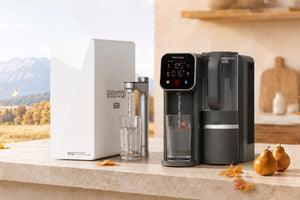
The costs of clean water are not just financial, especially when you factor in the environmental and health costs of plastic-bottled alternatives. If you’re looking for ways to reduce your water bill without compromise, reverse osmosis (RO) filtration can offer affordable clean water while supporting the environment. This article will break down what’s behind your rising water bill and why RO systems like the Waterdrop X Series and G Series can offer a more cost-effective solution.

Why Water Bills Keep Rising Across the U.S.
We’ve all looked down at our water bill and asked, why is my water bill so high all of a sudden? Across the U.S, the average monthly water bill has risen by 24% in the last five years, growing pressure on household budgets.
Boston, MA – Rising Water Costs Swamping Households
In Boston, MA, residents now pay an average of $141.53 per month for water and sewer service — a 21% increase since 2021. A recent article in the Boston Globe highlights just how water bills are swamping household budgets, driven by infrastructure upgrades and rising treatment costs.
Atlanta, GA – Infrastructure Upgrades and High Bills
Down in the South, Atlanta, GA is dealing with its own crisis, where residents are paying upwards of $325 a month. Local reports confirm the city is planning to spend $2 billion over the next 20 years to overhaul failing pipes and treatment systems. While a step in the right direction, this cost is likely to further increase household water bills.
Chicago, IL – Lead Pipe Replacement Adds Costs
In Chicago, IL, monthly water bills can reach $100, and that doesn’t account for the added costs of replacing aging lead pipes. This costly infrastructure upgrade is being passed down to ratepayers.

Phoenix, AZ – Drought and Maintenance Driving Rate Hikes
Meanwhile, in Phoenix, AZ, rates might seem more manageable at $45/month. But that’s changing fast. Drought stress and a push to better fund water maintenance are driving rate hikes.
These examples show a national pattern: water is no longer a cheap utility, but instead, a luxury many are struggling to afford. The impacts of aging infrastructure and climate change will only continue to increase. Consumers can expect to pay more just to turn on the tap.
Bottled Water Isn’t the Ideal Solution
Reading about the average water bill may have you considering alternatives. Coupled with contamination concerns, or even tap water taste and odor, these factors can often encourage us to turn to bottled water instead.
But, is this the ideal alternative? Sure, bottled water is accessible and offers a variety of options available to suit your preference for taste and budget. But, the financial costs of relying on bottled water adds up fast.

Financial Costs of Bottled Water Add Up
New research shows that the average American spends about $250 on bottled water. This certainly isn't a fair trade, mostly because many bottled water brands use the same tap water you are already paying for. When we turn to bottled water, this means we are paying for water twice! Once at home through our tap, and again at the cash register.
Environmental Impact of Bottled Water
While bottled water may appear convenient, its environmental footprint is also significant. According to life cycle assessments, producing and transporting bottled water generates up to 30 times more carbon emissions per liter than tap water. Much of this comes from manufacturing single-use plastic bottles.
The alarming statistics don’t stop there, even when recycling is available, only about 29% of plastic bottles in the U.S. are actually recycled. Sadly the rest end up in landfills, incinerators, or contaminating the natural environment. In fact, over 60 million plastic water bottles are discarded in the U.S. every day. This contributes to long-term pollution and microplastic contamination, both in ecosystems and eventually reaching human bodies.
How RO Systems Can Save Money and the Environment
So - how can we lower our water bills while reducing harm to the environment? Filtered tap water that uses efficient systems like reverse osmosis offers a far lower carbon footprint and dramatically reduces plastic waste at the source.
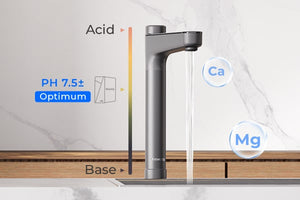
Waterdrop Reverse osmosis (RO) systems offer clean water and lower costs by using advanced membrane filtration to remove up to 99% of contaminants, including lead, PFAS (“forever chemicals”), arsenic and nitrates. Waterdrop RO systems improve both water quality while r educing the cost of your water bill and carbon footprint.

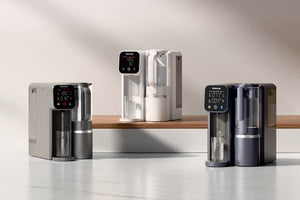
The X Series (X12 or X16) deliver 11‑stage filtration, plus built‑in UV sterilization while achieving a 3:1 pure‑to‑waste (pure‑to‑drain) ratio. That means for every 3 gallons of clean water you get, only 1 gallon is waste. This system is far more efficient than older RO units that might waste 3–4 gallons for 1. Less waste means less water treated, reducing your average water bill.
The G Series models (G3P600, G5P500, G3P800) maintain a 2:1 pure‑to‑waste ratio, meaning half as much waste (or more) compared to less efficient systems. With fewer gallons wasted and lower your bottled water purchases, the combined savings on monthly water costs and carbon emissions will significantly add up.
Take Control of Your Water Costs and Quality Today
The price of clean water is going up, either on your utility bill or at the grocery store. With a certified Waterdrop RO system, you get safe, affordable water on demand. This will protect your family from contaminants, improve water taste, cut long-term costs on bottles and reduce your water bill over time!
References
1. American Society of Civil Engineers (ASCE) . (2021).
3. Chicago Department of Water Management. (2024).
4. City of Phoenix Water Services Department . (2024).
5. International Bottled Water Association (IBWA) . (2024).
6. National Renewable Energy Laboratory (NREL) . (2023).

Choose Your Water Solutions
- Smart Reverse Osmosis System No Tank, No Bacteria
- Water Filter for Sink Space & Water Saving
- Refrigerator Water Filter Pure Water, Effortlessly
- Water Filter Pitcher Stay Hydrated Always
- RO System Replacement Filters Change Your Filters Regularly
Categories
- Buyer's Guide Complete buying guides to help you choose wisely
- Water Contaminants Offer the best solution to solve the water problems
- Water Stewardship Responsibility for sustainable water management
- Home and Wellness A better and healthier world for individuals and families
- Customer Voice Take a look at how other users evaluate Waterdrop


