




Celebrating National Water Quality Month with Waterdrop
by
Dr. Jonathan Doyle - Updated August 14, 2025


Did you know that August is known as “National Water Quality Month?” It is a month devoted to recognizing and celebrating the importance of clean water for our health, wellness, ecosystems, and communities.
Water is such a critical component of our daily lives. Unfortunately, clean water is not available to everyone. Even if you drink treated tap water from your local city water management provider, it probably still contains some degree of contaminants.
August is the month that reminds us of the importance of preserving and protecting our precious water sources. It also reminds us of the importance of improving the way we manage the tap water in our homes.
Why High-Quality Water Should Matter to You and the Public
Nobody should think of clean water as some modern convenience. Clean water is a human right that everyone in the public is entitled to receive. Sadly, the World Health Organization recently reported that more than 485,000 people die annually because they develop diseases from drinking dirty or unclean water. Some of these diseases include dysentery, diarrhea, and cholera.
Suppose you live in a developed country like the United States or the United Kingdom. In that case, you probably have treated water readily available to you from the kitchen faucet at your house. However, you should still be aware of the following risks associated with treated tap water:
- Old lead pipes and infrastructure
- Water contaminants (e.g., chlorine, microplastics )
- Agricultural waste
- Industrial contamination

People assume that clear water is clean water, especially if it tastes normal. The truth is that dangerous microscopic particles you cannot see may exist in your tap water. If you consume them too often, it could impact your health.
The Importance of National Water Quality Month
In 2005, National Water Quality Month was established to raise public awareness about water safety and its importance. The origins of this celebration stem from the Clean Water Act of 1972 , as well as the Safe Drinking Water Act of 1974 . These were two monumental pieces of U.S. legislation that sought to protect valuable sources of drinking water, such as rivers and lakes, from the threat of unsafe industrial practices and pollution.
Environmentalists and those who care about clean water now celebrate National Water Quality Month every August. The celebration tries to motivate others to do the following:
- Use water responsibly
- Reduce pollution wherever possible
- Involve your local community to help protect and preserve local water sources
- Make better decisions concerning your personal water use
The Top Threats to Your Water Quality
Learning about the biggest threats to the quality of your water can help you mitigate them whenever possible.
Here are some of the top threats explained:
1) Excess Pesticides and Fertilizers
Do you spray your lawn or garden with pesticides or fertilizers? If so, you should be aware that rainwater may soak up the chemicals and nutrients from those solutions and carry them away into your local lakes, rivers, and water streams.
The result of such an occurrence includes algae blooming and hurting other aquatic life in those water sources. That will ultimately impact the quality of your drinking water.

2) Industrial Waste Discharge
Are there any factories in your town or city? Many factories discharge industrial waste into the ground or local water sources like lakes and rivers.
There may even be local laws and regulations forbidding waste discharge, but that still doesn’t stop leaks and accidents from occurring often.
3) Chemicals in Household Items
Pretty much everyone has some chemicals in their homes, such as pharmaceutical drugs, laundry detergents, and bleach.
You may not think about it, but these everyday household items will put chemicals in your water system each time you pour or flush them down the drain. Please be aware of this.
Related article: Top 10 Emerging Contaminants in 2025
4) Microplastics
Traces of tiny plastic particles called “microplastics” are frequently being discovered in bottled water and groundwater. Some health officials fear that regularly consuming these microplastics may cause long-term health effects.

How to Celebrate National Water Quality Month?
You don’t have to do anything extraordinary to celebrate and honor the purpose of National Water Quality Month. Even the smallest actions can go a long way in making a difference, especially when those actions are multiplied repeatedly.
Here are some helpful ideas on how you can get involved in this effort:
1) Engage in Eco-Friendly Lawn Care Practices
Try to make more eco-friendly lawn care choices, such as using compost and other natural fertilizers. You should also only water your lawn when it needs it. And please, avoid using any chemicals on your lawn before it rains because the runoff will threaten your local water streams.
2) Practice Care When Throwing Away Waste
Don’t just dispose of chemicals, medication, oil, and other hazardous waste in your toilet or sink. Be responsible by taking these items to your local hazardous waste collection center for proper and safe disposal.
3) Use Less Water Whenever Possible
Look for every possible way to conserve water each day. Some ideas include:
- Fix running toilets
- Repair water leaks in pipes
- Do not leave the faucet on when doing dishes or brushing teeth
- Collect rainwater in containers and buckets to use for gardening
4) Use Eco-Friendly Cleaning Products
Try to use more eco-friendly cleaning products, such as cleaning sprays, hair shampoos, and hand soaps. They typically have fewer harmful chemicals and more natural ingredients in them.
5) Participate in a Local Water Cleanup Event
Check to see if any local communities in your area are hosting a lake or river water cleanup event of some kind. If they celebrate National Water Quality Month, the event will probably take place in August. Such water cleanup events work to preserve and restore local water and ecosystems.

The Best Way to Improve the Quality of Your Tap Water
You cannot trust your local public utility to treat your water properly. Traces of contaminants from industrial waste and water pipes may still exist in it. That is why an increasing number of people are installing advanced water filtration systems in their homes.
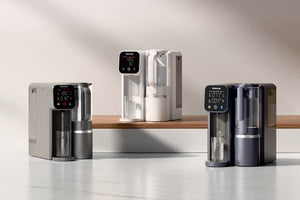
The Waterdrop Reverse Osmosis System is the best advanced water filtration system. It can remove lead, mercury, chlorine, PFAS, microplastics, sediment, and even bad smells and tastes from your tap water. Reverse osmosis filtration is most preferred due to its multi-stage filtration technology that thoroughly cleans water.
These stages include:
- Activated carbon
- Semipermeable membrane filters
- Ultraviolet sterilization
Once your tap water goes through these stages, it will be much cleaner and fresher than it was originally.
Waterdrop systems are less bulky and more compact than traditional systems, which means they are easier to install. Plus, they are more energy-efficient and engineered to minimize water waste.
Click here if you want to learn more about: What Are PFAS and How Can We Safely Remove Them from Drinking Water?
Time to Celebrate
Never take your water for granted ever again. If you normally drink tap water, don’t assume it will be 100% clean. Even if the public water treatment plant eliminates some contaminants, the water can still become contaminated by pollution and debris as it passes through your water pipes and aging water system infrastructure.
Now is the time to celebrate National Water Quality Month before it passes. Make August the month when you begin taking your drinking water more seriously by ensuring it is clean first. It also means helping to protect and preserve your local water sources to ensure they are clean and uncontaminated.

Choose Your Water Solutions
- Smart Reverse Osmosis System No Tank, No Bacteria
- Water Filter for Sink Space & Water Saving
- Refrigerator Water Filter Pure Water, Effortlessly
- Water Filter Pitcher Stay Hydrated Always
- RO System Replacement Filters Change Your Filters Regularly
Categories
- Buyer's Guide Complete buying guides to help you choose wisely
- Water Contaminants Offer the best solution to solve the water problems
- Water Stewardship Responsibility for sustainable water management
- Home and Wellness A better and healthier world for individuals and families
- Customer Voice Take a look at how other users evaluate Waterdrop


