




How Much Does a Reverse Osmosis System Cost in 2026?
by
Dr. Jonathan Doyle - Updated December 16, 2025


Clean, safe drinking water is essential for every household. With growing concerns about water contamination, more Americans are turning to reverse osmosis (RO) systems.
RO systems are designed to provide high-quality water by using multiple filtration stages that remove a wide range of impurities. However, this advanced filtration comes at a higher price compared to standard filters.
Being aware of the secrets of finding the proper system for the proper cost will save you a lot. In this guide, we break down how much a reverse osmosis system cost and teach you get a good system without overspending.
What Is a Reverse Osmosis System & When You Need It?
A reverse osmosis system works by pushing water under pressure through a semipermeable membrane to strip out a wide range of contaminants, from heavy metals (like lead, arsenic) to chlorine, fluoride, pesticides, and micro‑sediments.
Compared to regular water filter pitchers or basic filters, ro systems are generally a bit more expensive. Before buying it, ask yourself if you really need a ro system:

- Your tap water occasionally comes out yellow, cloudy, or with particles
- You Live in an area with known contamination risks like Texas
- You use a lot of bottled water and want to cut costs
- You want better water for coffee, tea, cooking, and Ice
- You have infants, elderly family members, or someone with a sensitive immune system
- Your water smells like chlorine or a swimming pool
- You live in an older neighborhood with aging or unknown pipe materials
- Your water “looks fine,” but it never tastes quite right
- Your kettle, coffee maker, or humidifier builds up white mineral scale
If you feel like you’re dealing with more than one issues above, then getting a reverse osmosis system can truly fix your problems. Now, the next thing to look at is how much you need to spend on a system.
What Affects the Cost of an RO System?
However, the cost of a reverse osmosis system isn't straightforward. Several considerations, such as design, size, installation, as well as subsequent upkeep, can greatly sway this cost.
1. Different System Types
The most basic determinant of cost is the type of the RO system, as well as its hook-up with your plumbing system in your home.

Under Sink RO Systems
It is designed specifically for providing high-quality drinking and culinary water from a single faucet, usually located in the kitchen. It is more compact, requires less material, and is much easier to install.
An under-sink RO system generally costs $150 to $600 for the unit, with basic models on the lower end and advanced, tankless systems (like Waterdrop X12 ro system ) going higher, average around $700-$1200 for a complete setup.
Countertop RO Systems
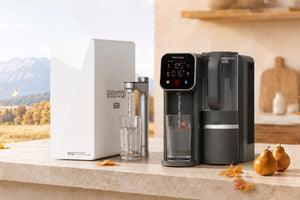
Countertop Reverse Osmosis system prices typically range from $200 to $450, offering a budget-friendly, portable option for renters and apartment dwellers.
Higher-end benchtop ro system reach $300-$450 or more for enhanced features like TDS monitoring.

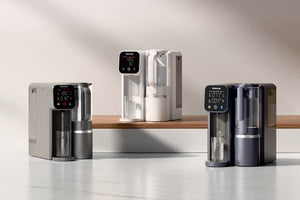
Additianally, hot and cold RO system provides purified water at multiple temperatures, like the instant hot water for tea, the price is range from $200-$800.
Whole House RO Systems
What your entire house will use for drinking, bathing, laundry, or other purposes is handled through a "point of entry" system.
Generally, the cost varies between $4,800 and over $8,000. Essentially, you're buying a miniature whole house water system plant for your house.
Since RO systems produce a lot of wastewater, your monthly water bill can add up quickly. For families that care about conservation and being environmentally friendly, a regular whole-house filtration system is often the better choice.
2. Additional Feature Price
Apart from filtered water, many sophisticated filters offer additional capabilities to cater to requirements, increasing their cost. For example, the Waterdrop G3P600 tankless RO system has a base price of $539, we'll use it as a reference to explore insights on its additional features.
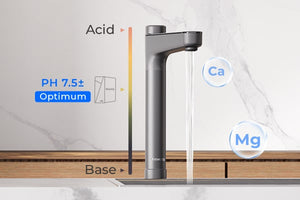
Alkaline: An alkaline RO system adds beneficial minerals and raises pH to produce smooth-tasting, mildly alkaline water.
Remineralization: An RO filter takes out helpful salts (Ca & Mg) alongside impurities. A filter system that includes remineralization reinstates them.
UV Sterilization: Models that come equipped with a built-in UV light offer enhanced protection against bacteria and viruses.
Booster Pumps: In the case of low water pressure within the residential unit that isn't sufficient, the necessary pressure would be achieved through the usage of booster pumps.

In fact, the extra features aren’t very expensive, usually between $20 and $120. When it comes to investing in your health, it’s always worth it.
3. Installation costs, simplicity, or complexity, and the cost of labor
The cost of the unit is only part of the story. Installation labor and materials can add a substantial amount to your total investment. Generally, the countertop ro system is easy to install, so it needs no extra expense.
Under Sink Installation:
Such installations are relatively easier, requiring the hook-up of the system to the cold side of the water line, use of a sole faucet, and final drainage.

Many brands provide dedicated water system installation videos for customers, you can follow the instructions and complete the installation on your own.
But if any specialized top material such as granite or quartz is drilled through, or if the drain line has to be installed, additional costs will apply, typically between $150-$600.
Whole House Setup:
This is a relatively complicated installation that might call for a professional master plumber. It would basically mean accessing the main water line, installing large tanks, allowing the perfect use of booster pumps, as well as other intricate plumbing designs.
Given the complexity of the installation, as well as its size, the cost of such installation is likely to run into thousands. According to a report by the Homeguide, “A whole-house water filtration system cost $850 – $5,400.”
How to find suitable water filtration system installer near me?
If you’re not sure where to find a qualified installer, except rely on recommendations from experienced people around you, you can also search for local installers on the Waterdrop website by entering your ZIP code .

What’s more, Waterdrop is also partnered with many plumbers who have installed various products for our customers throughout the United States. If you are interested, kindly please fill in basic information on the "Installation Service" page and we will proceed.
4. Ongoing Expenditures: Maintenance, Efficiency, and the Life Investment
The ro water filters usually are replaced every 6 to 12 months. However, the most durable aspect, which is the reverse osmosis membrane, can last for 2 to 3 years. However, this still requires periodic replacement.
You will spend additionally between $20 and $100 for sets that come with filters, and a reverse osmosis membrane that will cost you between $50 and $200.
With proper maintenance, regular filter changes, cleaning, and monitoring water pressure. An RO system can provide high-quality water for 10+ years, while the membrane and filters need periodic replacement.
How to Purchase a Reverse Osmosis System at An Affordable Price?
Buying a reverse osmosis system doesn’t have to break the bank. With the right approach, you can find a high-quality unit that fits your needs without overspending.

1. Decide Based on What You Need — Don’t Overspend
Small household, single person : An under-sink point-of-use system or a portable counter top system may be required.
Families, heavy water users: Think about under sink RO units for drinking/cooking purposes, but also use a different system, such as water softener , for laundry and showers. Blending systems will be less expensive than installing whole-house RO.
2. Shop Smart: Compare Efficiency and Features
When evaluating an RO system, the upfront price is only one part of the total cost of ownership. A well-informed comparison should include:
- Pure to ratio: Higher-efficiency systems (e.g., 2: 1 or better) significantly reduce wastewater discharge, lowering both utility bills and environmental impact over time.
- Filter and membrane lifespan: Assess the rated service life of replacement filters, carbon blocks, and RO membranes. Systems with longer lifespans or smart reminders reduce replacement frequency.
- Certifications and contaminant-removal capability: Look for recognized standards such as NSF/ANSI 42, 53, 58, or 401 . Ensure the system is independently certified to reduce contaminants relevant to your local water supply.
3. Buy during Promotions, Or Look for Bundle Deals
Brands and retailers frequently offer discounts and promotions, allowing consumers to maximize value when purchasing a reverse osmosis system:
Seasonal Sales:
Major U.S. holidays (e.g., Black Friday , Thanksgiving) and large online shopping events (such as Prime Day) often feature significant price reductions on RO systems. These promotions may also include bonus items, extended warranties, or free shipping, making it an ideal time to purchase.
Bundle Deals:
Opting for packages that include the RO system along with spare filters can provide substantial long-term savings. Waterdrop provides a "Subscribe & Save" program for all customers. This service aims to provide convenience and savings for customers.
You will get a 5% discount when you sign up for regular, automatic deliveries of eligible replacement filters. You can often choose the delivery frequency, and there is no commitment as you can cancel at any time.

Conclusion
An RO system provides real value if you doubt for the water source, if you care about the taste of your water, or if you’re trying to reduce your use of bottled water. However, "more expensive" is not always "best." The key is selecting a system that matches your requirements.
By evaluating your requirements well, shopping effectively, as well as taking care of them correctly, you will see that such a reverse osmosis system will pay for itself within a couple of years, in terms of savings from bottled water as well.
FAQs About The Reverse Osmosis System Cost
1. Does a reverse osmosis system waste water?
Conventional reverse osmosis systems may cause some water loss during the filtration process. However, contemporary reverse osmosis systems, such as Waterdrop G3P600 , use more water-efficient technology. They keep the waste to filtered water ratio to 2:1, which is much higher than the traditional RO systems.
2. Can a reverse osmosis system remove all kinds of contaminants?
A reverse osmosis system is highly effective, though not effectively able to remove all impurities. It is most effective in eliminating harmful impurities such as:
- Heavy metals: Lead, arsenic, cadmium
- Fluoride and nitrates
- Chlorine and chloramine (with pre-filters)
- Sediments and micro-particles
- Some pesticides and volatile organic compounds (VOC)
3. Does a reverse osmosis system cost much for upkeep?
Maintenance costs are moderate. Replacement filters cost between $20-$100, depending on the stage and brand. Other annual costs for replacement of other filters would be between $100-$200.
4. Can I install a reverse osmosis system on my own?
Of course, many undersink units come with instructions for DIY installation . However, if you are planning on installing whole-house units or will be working with your plumbing, professional installation services will be required.

Choose Your Water Solutions
- Smart Reverse Osmosis System No Tank, No Bacteria
- Water Filter for Sink Space & Water Saving
- Refrigerator Water Filter Pure Water, Effortlessly
- Water Filter Pitcher Stay Hydrated Always
- RO System Replacement Filters Change Your Filters Regularly
Categories
- Buyer's Guide Complete buying guides to help you choose wisely
- Water Contaminants Offer the best solution to solve the water problems
- Water Stewardship Responsibility for sustainable water management
- Home and Wellness A better and healthier world for individuals and families
- Customer Voice Take a look at how other users evaluate Waterdrop


