




What's in Boston's Tap Water?
by
Dr. Jonathan Doyle - Updated January 27, 2026


A city like Boston, with its intricate tapestry of history and glittering sites, functions on tap water that its citizens use every day. But have you ever wondered what's actually flowing through the pipes with the tap water? Major cities such as Boston have tap water that is mostly clean but may have contaminants that are worth knowing about. Read on to learn what is in Boston's tap water and how portable water filters can improve the water pouring through your taps at home.
Where Does Boston's Tap Water Come From?
The Boston area receives its supplies from a combination of sources: reservoirs, rivers, and groundwater. The Massachusetts Water Resources Authority (MWRA) maintains the public supply system and relies on pristine reservoirs like Quabbin and Wachusett, some 65 miles west of Boston.
Generally, the water from these sources meets the federal standards and is thus of premium quality. However, there are a number of issues associated with the factors that may affect the quality of tap water.
What Contaminants Are Usually Found in Boston's Tap Water?
Boston's water typically goes through rigorous testing; however, certain possible water contaminants should be noted. Some of these include:
Lead
Lead is a significant health concern, particularly in children and pregnant women. Although Boston checks for lead in the water periodically, it is likely that homes constructed before 1980 could have lead pipes that could be leaching into the water as the lead corrodes.

Chlorine & Chloramine
Chlorine is commonly used as a water disinfectant. Though efficient, it may affect water taste as well as cause skin irritation for some people. In some regions, chloramine, a combination of chlorine and ammonia, is also used as a substitute. Though regulated by the EPA, many people still opt to filter it out to improve taste.
Fluoride
Fluoride is used in many American municipal water supplies to help prevent dental cavities. Though harmless at low doses, large doses may cause dental fluorosis. The city of Boston ensures the concentration stays at a safe level.
Microorganisms
Even with treatment, the threat of bacteria and viruses potentially passing through the system, especially after rainfall, exists.
Pharmaceuticals and Personal Care Products (PPCPs)
Trace levels of PPCPs have been found in drinking water. PPCPs may come from improper disposal, treatment, and runoff. The concentration levels are generally low, but some individuals choose to use filtration systems to remove any PPCPs.
Is Boston's Tap Water Safe to Drink?
Yes. The EPA and Massachusetts MassDEP state that tap water in the Boston area is safe for consumption. The MWRA also regularly tests the water for quality.

However, safety can also be affected by considerations such as plumbing in older dwellings, contamination of the distribution systems, or personal tolerances to substances such as chlorine or fluoride.
How Water Quality Varies in Boston Over Time
The water quality may vary depending on seasons and incidents. For instance, there may be high chlorine content in some seasons to mitigate microbial growth, which affects odor and taste. High rainfall may also exceed the system's capacity, resulting in changes in contaminant levels or water quality.
Check your local water quality report, which is usually available electronically. MWRA also issues an annual report on the chemical composition of the water, including any contaminants discovered in tests.
Related article: The Hidden Costs of Clean Water — and Why RO Is the Better Option
How to Ensure the Quality of Tap Water in Boston
In case you are concerned about contaminants like chlorine and lead, you may want to consider installing a water filter. Here are a few options:
Reverse Osmosis (RO) Systems
RO systems are very effective at eliminating contaminants from drinking water. RO systems use semi-permeable membranes to filter substances like lead, chlorine, and fluoride from the water. These systems would be particularly helpful for households with older plumbing containing lead pipes.

Activated Carbon Filters
Another popular choice for improving taste and eliminating certain chemicals are filters made with activated carbon. These filters can be used on faucets, installed in sinks, or used in pitchers.
Whole-House Filters
For a complete improvement, whole-house systems filter the water throughout the entire home to provide clean water for drinking, bathing, and washing.
Why Select a Waterdrop Water Filter?
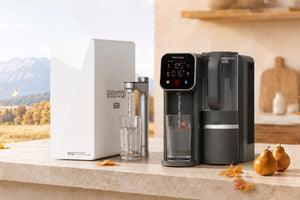
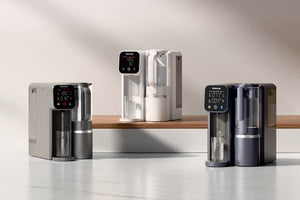
When choosing a filtration system for a Boston residence, you should consider factors like reliability, performance, and ease of use. Waterdrop filters remove chlorine, lead, and fluoride using RO and activated carbon models known for robust filtration with low water waste. Waterdrop offers environmentally friendly and budget-friendly solutions, providing a sustainable way to improve the quality of your water. Whether you're looking for a countertop RO water filter or under sink RO systems , Waterdrop has something to offer.
Takeaway
Boston's drinking water is considered safe, though it may sometimes harbor contaminants that impact its quality and taste. Adding a good quality filter, such as one provided by Waterdrop, could help avoid exposure to potentially dangerous chemicals and improve the taste and quality of your water. While you may be concerned about the quality of your tap water, purchasing a good water filter can alleviate those problems. Moreover, it would be a good habit to keep an eye on the water quality report in your region periodically.

Choose Your Water Solutions
- Smart Reverse Osmosis System No Tank, No Bacteria
- Water Filter for Sink Space & Water Saving
- Refrigerator Water Filter Pure Water, Effortlessly
- Water Filter Pitcher Stay Hydrated Always
- RO System Replacement Filters Change Your Filters Regularly
Categories
- Buyer's Guide Complete buying guides to help you choose wisely
- Water Contaminants Offer the best solution to solve the water problems
- Water Stewardship Responsibility for sustainable water management
- Home and Wellness A better and healthier world for individuals and families
- Customer Voice Take a look at how other users evaluate Waterdrop


