




Lead in Our Water: Risks, Realities, and Removal | Expert Opinion
Updated: March 09, 2026


Humans and lead have a complicated relationship. For thousands of years, people have used lead in construction,
cosmetics, and countless other products. Lead has shaped the world we know. Lead is still used today in car
batteries, belts that help deep-sea divers submerge, and vests that protect dental patients from excess X-ray
exposure. This metal has truly remarkable properties that have kept it useful throughout history, specifically
its low cost, low melting point, and high malleability.
How Lead Enters Drinking Water
Unfortunately, lead is highly toxic and can leach into drinking water through the corrosion of lead pipes,
solder, and fixtures. Municipal water systems regulate water chemistry, but aging infrastructure and lead
plumbing in homes can still leach lead into drinking water.
Health Risks of Lead Exposure
According to the United States Environmental Protection Agency, there are no
safe levels of lead exposure. Even
trace levels of exposure can have severe effects on human health. This is particularly true for children, who
may experience developmental issues, behavioral disorders, and reduced IQ when exposed to lead-contaminated
water.
Adults are also at risk, with possible harmful effects on the cardiovascular and nervous systems, including high
blood pressure, kidney damage, and reproductive issues.
Well over 9 million lead water service lines still deliver water to
American homes, and many other countries
have an abundance of these lines as well due to aging infrastructure. Depending on the age of the dwelling and
community, lead plumbing supplies might have been used. The EPA offers guidance on determining whether water is
passing through lead pipes and testing your water for lead.

How to Test for Lead in Water
Testing is very straightforward and involves finding a certified testing laboratory through your local drinking
water provider. Testing can be at the expense of consumers, but it will provide a definitive answer about the
safety of drinking water.
Common Misconceptions About Lead Removal
Although there are some common misconceptions about the process, removing lead from water is straightforward:
the proper type of water filter must be used. There are some misconceptions about removing lead from water,
however.
Boiling Water Removes Lead
First, lead and other metals and metalloids cannot be removed by boiling the water. In fact, boiling water
concentrates the metals by evaporating the water, leaving the same amount of metals behind but now in
less
water. Boiling water is ample for disinfecting water contaminated by pathogenic
bacteria, viruses, and protozoa,
but not for treating water contaminated by lead.

All Water Filters Remove Lead
Second, while some water filters can remove lead, others do not have this capability. The EPA provides a guide
to selecting the proper filter. Only filters approved by credentialed third-party evaluation bodies for
lead
removal can reduce lead in water. Before making a purchase, consumers should carefully evaluate the filter type,
ensuring it has been tested and approved for lead reduction.
Effective Methods for Removing Lead from Water
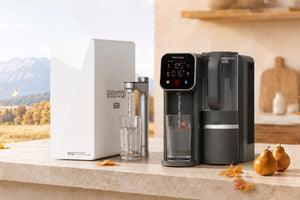
Reverse osmosis (RO) systems, like those offered by Waterdrop Filter, are consistently shown in research to
remove the most lead from water when compared to other water filters. Reverse osmosis uses a semipermeable
membrane to separate and remove contaminants, including lead. RO systems can remove up to 99% of lead from
contaminated water.
Other
independent studies confirm that reverse osmosis is the most effective method for removing lead from
water. Reverse osmosis membranes remove lead and other toxic metals from diverse water sources, whereas other
types of filters have been determined to be less effective.

Emerging and Natural Lead Removal Technologies
Natural methods for removing lead from water are limited, but some
eco-friendly techniques are being studied.
Scientists have developed a programmable ion membrane that can selectively control ion flow, mimicking the
regulatory functions of living cells. This paves the way for advanced, natural water-purification and
mineral-extraction technologies. However, this technology is not yet available to the public, and a timetable
for this type of filtration has not been established.
The Flushing Method Debate
Although not a type of filtration, allowing the water to flow from the tap for a few minutes has its champions.
The idea is that the longer water has been exposed to lead plumbing, the higher its lead concentration. By
letting the stagnant water flow down the drain, the idea is that the water to be used will have lower levels of
lead due to this flushing.
However, research has found that
flushing might not be an effective solution for lead-contaminated water. In
fact, the practice may even increase lead exposure, particularly if the flushing duration is too short,
underscoring the need for revised public health recommendations. Various factors, including plumbing
configuration, water use patterns, and the condition of the service lines, limit the effectiveness of flushing.
The Importance of Proper Lead Removal
Understanding how to properly remove lead from water is a public health necessity. Whether through reverse
osmosis or other certified filters, modern science provides multiple effective ways to remove lead from water
using filters. Proper water filtering is the only proven method of removing contaminants. Boiling will make
lead-contaminated water worse, and flushing is ineffective.
Clean water should be a right, not a privilege. Educating yourself on lead removal from water is the first step
toward making your home and community safer.
Sources
1. U.S. Environmental Protection Agency. Basic Information about Lead
in Drinking Water. EPA, n.d.
2. “EPA Finds More Than 9 Million
Lead Pipes Supplying Drinking Water
throughout the U.S..” CBS News, 16 Oct. 2023.
3. U.S. Environmental Protection Agency. Protect Your Tap: A Quick
Check for Lead. EPA, n.d.
4. Westerhoff, Paul, et al. “Sorption of Metals and Metalloids from
Reverse Osmosis Concentrate on Drinking Water Treatment Solids.” Journal of Membrane Science, vol. 468,
2014,
pp. 349–355.
5. World Health Organization. Boiling Water for Contaminant Removal.
WHO, 2015.
6. U.S. Environmental Protection Agency. Consumer Tool for
Identifying Point-of-Use and Pitcher Filters Certified to Reduce Lead in Drinking Water. EPA, June 2024.
7. Kurniawan, Tonni A., and Wai Ho Lo. “ Purification of Contaminated
Water with Reverse Osmosis: Effective Solution of Providing Clean Water for Human Needs in Developing
Countries.” Journal of Environmental Science and Engineering B, vol. 4, no. 1, 2015, pp. 1–10.
8. Abid, Mustafa F., et al. “ Removal of
Arsenic as a Potentially
Toxic Element from Drinking Water by Filtration: A Mini Review of Nanofiltration and Reverse Osmosis
Techniques.” Heliyon, vol. 9, no. 7, 2023, e01453.
9. “ New Smart Membrane Mimics
Cell Logic to Purify Water and Extract
Metals Efficiently.” Interesting Engineering, 11 Apr. 2024.
10. Pieper, Kelsey J., et al. “ Effectiveness of Prevailing Flush
Guidelines to Prevent Exposure to Lead in Tap Water.” International Journal of Environmental Research
and Public
Health, vol. 15, no. 7, 2018, p. 1537.

Choose Your Water Solutions
- Smart Reverse Osmosis System No Tank, No Bacteria
- Water Filter for Sink Space & Water Saving
- Refrigerator Water Filter Pure Water, Effortlessly
- Water Filter Pitcher Stay Hydrated Always
- RO System Replacement Filters Change Your Filters Regularly
Categories
- Buyer's Guide Complete buying guides to help you choose wisely
- Water Contaminants Offer the best solution to solve the water problems
- Water Stewardship Responsibility for sustainable water management
- Home and Wellness A better and healthier world for individuals and families
- Customer Voice Take a look at how other users evaluate Waterdrop


