




How to Dechlorinate Tap Water?


Everyone, from individuals to water treatment plants, adds chlorine to tap water to kill all the bacteria and other harmful microorganisms that may be present. The belief is that killing the microorganisms with chlorine will make the water safe for people.
However, chlorine can still cause some problems for people. Not only does it have a strong odor and a bad taste, but it can potentially cause you health problems if you consume too much of it. That is why most people want to remove chlorine from their water before consuming it.
You may have many questions about how to remove chlorine from your tap water. Do you boil the water? Do you need to use an advanced filtration system? What is the most effective way to dechlorinate tap water? Let’s find out.
How Does Chlorine Get into Tap Water?
Typically, a municipal water treatment plant disinfects tap water with chlorine before supplying it to the public. That way, the chlorine will kill any parasites, bacteria, and viruses in the water, which prevents people from getting sick.
Unfortunately, the downside to chlorinated water is its strong odor and foul taste. Your skin may also become irritated if chlorinated water comes into contact with it. People with sensitive skin often avoid chlorinated swimming pools for the same reason.

As for your tap water, it is even more imperative to learn how to remove chlorine from it. That is the only way it will be clean and fresh to drink.
Is It Safe to Drink Chlorinated Water?
In most cases, it is usually safe for people to drink small amounts of chlorinated water. The United States Environmental Protection Agency (EPA) sets limits on the amount of chlorine that can be added to tap water to ensure its safety. Despite this, many health-conscious Americans still wish to remove all the chlorine from the tap water to make it as healthy as possible.
Drinking even a small amount of chlorinated water regularly may cause the following symptoms or circumstances:
- Foul smell or odor
- Nasty taste
- Potential long-term health effects
- Skin irritation
- Allergic reaction
People also want to dechlorinate their tap water to provide fresher water for their plants and pets, too.
The Top 6 Methods to Dechlorinate Your Tap Water
Below are the top home remedies and techniques to remove chlorine from your tap water:
Leave the Tap Water Alone
Did you know that chlorine will slowly evaporate when it makes contact with air?
Fill up an open container with tap water. Leave it alone for up to 48 hours. By that point, the chlorine should be fully evaporated from the water.
This method is more suitable for dechlorinating small amounts of water only. You may use this to fill pet bowls with water or water your plants. Don’t rely on this method for human water consumption.
For more details, read How Long Does It Take Chlorine To Evaporate From Water?
Boil the Tap Water
One of the oldest dechlorination techniques is boiling tap water to quicken the chlorine evaporation process. Just boil the tap water in a pot on your stove for about 15 to 20 minutes. That should be enough time for most of the chlorine in the water to evaporate.
Click here to learn more about: Does Boiling Water Kill Everything?

Filter the Water
A more modern method of dechlorinating tap water involves filtering it with a water filter . The carbon-based water filter is the most popular because it utilizes activated carbon (or charcoal) to remove chlorine from tap water effectively.
One option is to purchase a carbon-based water filter that you install on your kitchen faucet. That will directly filter the water every time you turn on your faucet. Alternatively, you can purchase an undersink water filtration system that you install underneath your sink. That will filter the water before it comes out of your faucet.
Either filter variation is suitable for people who want to drink their tap water daily. Just remember to choose a certified dechlorinating filter product, such as those certified to NSF/ANSI Standard 42.
Add Vitamin C to the Tap Water
When you add Vitamin C to chlorinated water, it immediately neutralizes the chlorine. You can purchase Vitamin C supplements in powder or tablet form. If you buy the tablets, you will need to crush them before adding them to the water.
The rule of thumb is to add around 1,000 mg of Vitamin C to every one gallon of tap water. People often use this filtration technique for multiple purposes, such as drinking water, filling up a bathtub with water, and adding water to a fish tank. It is a fast and popular technique because it doesn’t involve using any chemicals.
Click here to learn more about Is Vitamin Water Good for You?
Chemical Dechlorinators
You should be able to find chemical-based dechlorinator products for sale at your local aquarium supply shop or pet store. They can effectively neutralize chlorine quickly and efficiently.
Please read the instructions on the product packaging to learn precisely how to use it. Most people use chemical dechlorinators to dechlorinate the water in their fish tanks. It is not suitable for dechlorinating your drinking water unless it bears a food-grade logo or certification label.

Install a Reverse Osmosis Water Filtration System
Perhaps the most thorough and effective dechlorinating method is a reverse osmosis water filtration system . Some reverse osmosis systems are installed underneath the sink, but you can also connect them to the main water line of your home. If you choose the latter option, it will dechlorinate all the tap water supplied to your faucets, including those for your shower and bathtub.
The reverse osmosis system forces tap water through a semi-permeable membrane to filter out heavy metals, chlorine, and other contaminants. It is the perfect long-term solution for producing fresh, clean drinking and bathing water in your home. The water will even taste good.
Can Reverse Osmosis Eliminate Chlorine from Tap Water?
Yes, a reverse osmosis water filtration system can remove chlorine from tap water. Some reverse osmosis systems come with a carbon pre-filter to ensure that the chlorine and chloramine are eliminated.
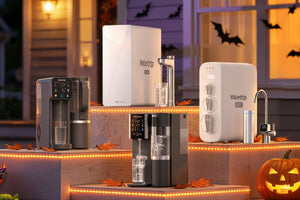
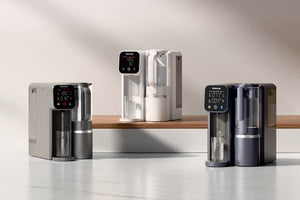
Waterdrop offers the most reliable reverse osmosis systems, featuring highly effective filters that can remove chlorine, heavy metals, and other hazardous contaminants.
The Best Reasons to Use Dechlorinated Water
Is this all worth the effort? Here is an overview of all the best reasons to use dechlorinated water:
- Water your plants with dechlorinated water to keep them healthy, as chlorine can harm the good bacteria in the soil.
- Add dechlorinated water to your fish tank to avoid harming your fish and other marine life.
- Dechlorinated water is ideal for drinking water for birds, reptiles, and other pets that are sensitive to chlorine.
- Avoid drying out your hair and skin when you bathe by using a reverse osmosis system or Vitamin C to dechlorinate your shower or bath water.

Conclusion
As you can see, there are several fast and easy methods to dechlorinate your tap water. You may find certain methods more suitable for your needs than others. For instance, if you’re on a tight budget, you may find that old-fashioned methods like boiling the water or letting it sit for two days are ideal.
On the other hand, if you’re ready to invest in producing healthy, chlorine-free water for you and your family, the best option is a high-performance water filter, such as a reverse osmosis system. It is the most effective way to remove chlorine from tap water to make it taste great.
FAQs
How long does it take for chlorine to evaporate from my tap water?
If you leave your tap water in an open container in a room-temperature environment, it should take no longer than 24 to 48 hours for all the chlorine to evaporate from the water.
Is boiling an effective way to evaporate chlorine from tap water?
Absolutely! Boiling tap water has been scientifically proven to evaporate chlorine from tap water after about 15 to 20 minutes of consistent boiling. However, boiling will not remove chloramine from your tap water, so you may need to add Vitamin C or run the water through a filtration system to eliminate chloramine.
What is the quickest dechlorinating method?
The fastest results are achieved by using chemical dechlorinators or Vitamin C. They can both immediately neutralize chlorine. Of course, Vitamin C is the most natural method of the two and safe for multiple uses, such as drinking water, bathwater, and cooking water.
Is it safe to drink dechlorinated water?
Yes, it is safe to drink dechlorinated water because it makes the water cleaner and healthier. It also makes the water taste better and reduces the risk of eye and skin irritation.

Choose Your Water Solutions
- Smart Reverse Osmosis System No Tank, No Bacteria
- Water Filter for Sink Space & Water Saving
- Refrigerator Water Filter Pure Water, Effortlessly
- Water Filter Pitcher Stay Hydrated Always
- RO System Replacement Filters Change Your Filters Regularly
Categories
- Buyer's Guide Complete buying guides to help you choose wisely
- Water Contaminants Offer the best solution to solve the water problems
- Water Stewardship Responsibility for sustainable water management
- Home and Wellness A better and healthier world for individuals and families
- Customer Voice Take a look at how other users evaluate Waterdrop


