




Facing Deadly Texas Floods: 4 Practical Steps to Get Clean Water
by
Dr. Jonathan Doyle - Updated July 20, 2025


In 2025, the U.S. has been slammed by one extreme weather event after another, we’ve seen everything from
devastating floods in Texas and relentless wildfires in California to scorching, suffocating heat on the East
Coast.
These disasters haven't just destroyed the essential infrastructure and the economy, they've also left huge
numbers of people with dangerously contaminated drinking water. “Extreme weather events like the tragic flood in
Texas are becoming more frequent due to climate change” said Latimes .
July 2025: Texas experienced '1000-year floods' this week
This week in Texas massive rain caused historic floods. The Texas Hill Country, especially around Kerr County,
saw over 500 millimeters (more than 20 inches) of rain, submerging several cities and tragically leading to over
120 deaths.
" While we understand flash flooding in these areas, no one truly anticipated a nearly 30-foot wall of water.
That level of unforeseen surge can utterly overwhelm infrastructure, including our public water systems,
making contamination a serious concern for residents. " said Governor Greg Abbott, Texas.
Tropical Depression Chantal Signals an Early Start to Hurricane Season

(Source from FEMA)
Meanwhile, Tropical Storm Chantal slammed the U.S. East Coast. This storm, the third named one of the 2025
Atlantic hurricane season, unleashed two months' worth of rain in just 24 hours. Over 100 roads were submerged
in Chatham County and nearby areas, causing immense storm damage across North Carolina.
The recent disasters are a wake up call. They’ve shown just how easily our water systems can fail when
nature hits hard. When pipes break or water sources get contaminated , it puts entire communities at
risk.
Understanding the Invisible Threat: Contaminants and Health Risks in Floodwaters
When floods happen, clean water sources are the first to be affected. Invisible contaminants in the water hide real dangers, they can get into your
body and cause health problems.

Getting your drinking water safe isn’t just a small part of disaster recovery. It’s a big step towards keeping
your family healthy and getting back to normal life.
Is Emergency Aid Enough? The Limits of Government Response

Texas was hit hard by flooding this week, severely damaging water systems across the region. While FEMA has
since deployed crews and delivered bottled water and other essentials, the response came after days of delay.
Officials say it could take weeks to fully restore water service in some areas.
In July 2025, Stuart Barron , Kerrville’s Director of Public Works, said at a city council
meeting that the city’s water plant was severely damaged in the flood and may need to use well water for up to a
year if necessary.
This flood has once again shown us a hard reality: while government aid is important, it often can’t reach every
household right away. When water systems go down, protecting your family’s access to safe drinking water often
comes down to personal preparation.
4 Practical Steps for Family Water Safety During Extreme Weather
With extreme weather becoming more frequent, being proactive about your family’s drinking water safety is
something every American household should consider. Here are four easy steps you can take:
1. Stockpile Drinking Water in Advance
FEMA suggests that after a disaster, federal aid might take time to arrive. Having at least a three-day (or
more) supply of drinking water allows your family to be self-sufficient during the initial critical period,
easing the burden on emergency services.
If your home’s water is from a well rather than municipal supply, make sure to store plenty of fresh, clean
drinking water before a big storm hits.
The simplest and most reliable way is to buy bottled water so you have enough in an emergency. Make sure to
check the expiration dates of your stored water and rotate it to keep it fresh and effective.
2. Boil Tap Water Before Drinking

(source from Denver Water)
"Boil tap water before drinking" said Houston Mayor Sylvester Turner in
November 2022,after a power outage caused low water pressure and concerns about water contamination.
This is the most basic and effective way to disinfect water. Whether your tap water is contaminated or you need
to get water from an unknown source, boiling water kills bacteria, viruses and other microorganisms.
Make sure the water reaches a “rolling boil” and stays there for at least one minute. Boiling handles microbes
but won’t remove heavy metals (like lead or mercury) or chemicals (like pesticides or industrial waste).
3. Choosing a Home Water Filtration System
A home water purification system is your family’s “last line of defense”. It can still provide safe drinking
water when the municipal supply is down or unsafe.
When facing water and pipe contamination from floods, having a high-quality filtration system at home is vital
for your health.

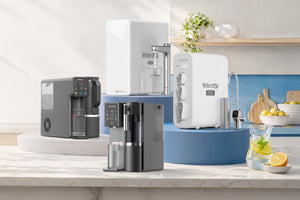
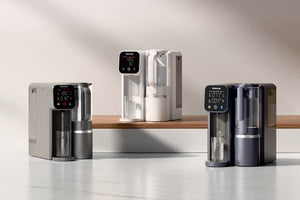
Waterdrop Reverse Osmosis (RO) system uses advanced filtering technology. It
removes nearly all common contaminants, including bacteria, viruses, heavy metals (like lead, mercury, arsenic),
pesticides, chlorine and dissolved solids that may appear after floods or storm surges.
Water filtered by a Waterdrop RO system tastes pure and fresh with no odd odors. This gives your family the
highest standard of drinking water, reducing health risks from water contamination caused by extreme weather.
4. Purchase Outdoor Emergency Water Filtration Equipment
After a disaster, municipal power may be out, making regular water facilities unusable. Families may then need
to rely on temporary water sources. Whether you are in a flooded area or facing long-term water contamination,
having the right outdoor emergency filtration system can be a lifesaver.

The Waterdrop
King Tank Gravity-Fed Water Filter is a filtration system that works without electricity, perfect for
power outages or interruptions. It uses multi-stage high-efficiency filtration to remove bacteria, heavy metals,
chlorine and odors, providing safe drinking water.
Its stainless steel build and extra-long filter life (up to 6,000 gallons per pair) makes it an ideal choice for
emergency preparedness.
In a disaster if lifelines are cut, you have to evacuate or you’re outside without safe water, the Waterdrop Portable Water Filter Straw is your go-to emergency solution. It
uses multi-stage filtration to block up to 99.99% of bacteria and improve water taste and odor.

Whether you need to get water from a rain barrel in an emergency or from a stream with contamination risk, this
filter straw gives you instant safe drinking water.
Waterdrop: Your Loyal Drinking Water Protector
Even though we're only halfway through 2025, the natural disaster crises we've already witnessed are a stark
reminder: while natural disasters are unpredictable, your family's health and drinking water safety can
be reliably secured.
Waterdrop offers comprehensive solutions for your family. From powerful Reverse Osmosis systems that purify tap
water after a flood, to sturdy gravity-fed filters for when the power is out, and convenient portable filter
straws for evacuations, Waterdrop always helps protect your family from unsafe water.

Choose Your Water Solutions
- Smart Reverse Osmosis System No Tank, No Bacteria
- Water Filter for Sink Space & Water Saving
- Refrigerator Water Filter Pure Water, Effortlessly
- Water Filter Pitcher Stay Hydrated Always
- RO System Replacement Filters Change Your Filters Regularly
Categories
- Buyer's Guide Complete buying guides to help you choose wisely
- Water Contaminants Offer the best solution to solve the water problems
- Water Stewardship Responsibility for sustainable water management
- Home and Wellness A better and healthier world for individuals and families
- Customer Voice Take a look at how other users evaluate Waterdrop


