




How Long is Bottled Water Safe To Drink?
by
Dr. Jonathan Doyle - Updated January 27, 2026


How Long Is Bottled Water Good to Drink?
Bottled water is also a very common source of hydration among Americans on the go. Whether you're engrossed in exercise, commuting, or resting at an office desk during the workday, bottled water is a convenient source that keeps you hydrated. If you've ever wondered for how long bottled water stays usable, you're certainly not alone.
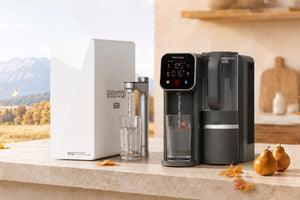
Bottled water does not have an indefinite shelf life. Though considered a simple drink, there is much to learn about the shelf life of bottled water, the time for its consumption, and its storage. This piece provides crucial information on the shelf life of bottled water and some insight into alternatives such as the Waterdrop water filter, which could be a more convenient, effective, and affordable option.
Reading the Expiration Dates on Packaged Water
The expiration date found on bottled water is a source of confusion to customers. In fact, water does not expire like food; however, bottled water generally has an expiration date attributed to several reasons.
Inclusion of the expiration date is usually carried out by the manufacturer in order for the water to be consumed prior to the time when the taste and quality of the water, as well as the bottle, might change. The expiration date of most water packaged in bottles lasts for either one or two years from the packaging date, but the expiration is not based on the water but the packaged plastic.
Click here if you want to learn more about How Long Does Bottled Water Last? A Complete Guide for Americans .

The expiration date for bottled water sold in the United States is controlled by the FDA, an organization that ensures that the bottled water sold to the public does not pose any dangers. As such, the FDA states that bottled water does not require an expiration date if it contains added components such as nutritional ingredients. However, most manufacturers put such dates.
Factors that Influence the Shelf-Life of Packaged Water
Although this expiration date is a useful indicator, it is, by no means, a conclusive factor that affects how long bottled water is still safe for consumption. Other elements that come into play when determining bottled water shelf life are:
1. Type of Plastic Used
The most widely used packaging material for bottled water is PET (Polyethylene Terephthalate) . Although the plastic material is considered harmless, the chemicals in the material have been known to leach into the water. This tends to happen if the water is subjected to heat or even direct sunlight. Other chemicals that may leach into water and can impact its taste include antimony and bisphenol-A .
2. Storage Conditions
Another key factor that affects the durability of water is temperature. When water is stored in a hot place or under direct sunlight, it can easily degrade plastics and emit harmful chemicals into the water. Storage of water in a cool, dry place, away from heat sources and sunlight, is essential to maintain its safety and quality.

3. Seal Integrity
Bottled water packaging is sealed in order to ensure that it does not become contaminated until it is opened. However, where the packaging is tampered with or not stored properly, the water becomes susceptible to contamination by bacteria. Check the seal before buying and do not buy water that is in damaged packaging.
4. Water Source
The water source can also have an effect on the shelf life. Water from some sources like springs or wells can have natural minerals that can affect the taste of the water over a period of time. The minerals can also make the taste more pronounced as the water ages.
Does Bottled Water Expire or Go Bad?
In short, the answer is yes, but only in that bottled water can go bad, and not because of the water. The reason is that water doesn't contain any nutrients or organics that would aid in the growth of bacteria, so it doesn't go bad like food.
As mentioned, the plastic bottle and storage conditions are the two main contributing elements to water quality. Water can acquire an odor similar to plastic if stored that way. Sunlight or heat can degrade plastic, and chemicals can leach out, creating an environment that could be detrimental to one’s health.
While it is rare that bottled water will cause any serious health effects upon ingestion past its expiration date, common sense would dictate that water stored improperly or water stored too long be avoided as a possible source of hydration. This water may contain tarnished taste, smell, or clarity.

Appropriate Storage of Bottled Water
Proper storage of bottled water helps extend its quality. These guidelines will enable you to store bottled water fresh for a longer period:
1. Store in a Cool, Dry Place
Store bottled water in an area that is not exposed to sunlight and heat sources. Generally, the preferred temperature range is between 50°F (10°C) and 72°F (22°C). If the water is exposed to high temperatures, it may hasten the degradation of plastics.
2. Avoid Storing Bottled Water in a Vehicle
Cars can easily get heated, especially when the weather is hot. Keeping bottled water inside a car can cause faster decomposition from plastic materials, hence poor quality water.
3. Store Bottled Water Away from Chemicals
Store packaged water in a location not near household chemicals. Chemicals or smells will directly affect the water’s taste and purity.
4. Do Not Reuse Plastic Bottles
Reuse of plastic water bottles, in particular, may lead to the buildup of bacteria. If water conservation is an issue, you could use an eco-friendly container made of stainless steel, glass, or BPA-free plastic .

Importance of Clean and Fresh Water
Drinking clean and fresh water is a critical requirement in ensuring healthiness. Relying on water in plastic bottles may prove short-term, since the water may contain chemicals emanating from the plastic material used, especially in the event of improper storage. Environmental concerns associated with plastic water containers are a major worry.
By choosing clean water, you are doing your body and the environment a favor. Instead of drinking bottled water, you can invest in an effective water filter to give you fresh and purified water straight from the tap.
Why Choose a Water Filter Over Bottled Water?
A water filter provides a convenient and sustainable way to access clean drinking water. There are a number of reasons why a person should consider changing the way they source their clean water by switching to a water filtration system:
Cost
It may be costly to always buy bottled water. A water filter is a very effective way to have filtered water.
Environmental Benefits
Using a water filter eliminates the waste generated through using plastics, thereby solving an emerging environmental problem.
Consistent Quality
However, a good reverse osmosis water filter will ensure that you always obtain safe and clean water. This cannot be said about bottled water because there may be variations in filtration standards depending on the manufacturer.
Convenience
A filtration system can offer clean, fresh water anytime, anywhere, so there is no point in buying water in bottles to stock at home.
Conclusion
Convenience is associated with bottled water; however, it is not renewable due to several factors such as plastic type, holding environment, or exposure to sunlight. If freshness is required while being affordable and reliable, it is important to invest in a filtration system from Waterdrop. Adopting technology will provide access to fresh water.

Choose Your Water Solutions
- Smart Reverse Osmosis System No Tank, No Bacteria
- Water Filter for Sink Space & Water Saving
- Refrigerator Water Filter Pure Water, Effortlessly
- Water Filter Pitcher Stay Hydrated Always
- RO System Replacement Filters Change Your Filters Regularly
Categories
- Buyer's Guide Complete buying guides to help you choose wisely
- Water Contaminants Offer the best solution to solve the water problems
- Water Stewardship Responsibility for sustainable water management
- Home and Wellness A better and healthier world for individuals and families
- Customer Voice Take a look at how other users evaluate Waterdrop


