






Is RO Water the Best Choice for Your Aquarium?
by
Dr. Jonathan Doyle - Updated December 30, 2025


As tap water quality varies across the United States, think about the hard water in the Midwest or chlorinated sources in urban areas. Many aquarium owners turn to advanced filtration methods to create the perfect environment for their fish.
Whether you're keeping tropical fish, saltwater species, or a simple freshwater setup, the quality of your water plays a crucial role in the well-being of your aquatic pets.
Reverse osmosis systems have gained popularity for their ability to purify water effectively. Let's dive deeper into what makes RO water a contender for the best water for your aquarium.
What is Reverse Osmosis Water?
Reverse osmosis water is produced through a filtration process that removes impurities from regular tap water. At its core, reverse osmosis uses a semi-permeable membrane to filter out contaminants, including minerals, chemicals, and particles that could harm your aquarium inhabitants.
Suggested reading: https://www.waterdropfilter.com/blogs/buyers-guides/all-you-need-to-know-about-reverse-osmosis-systems
The Reverse Osmosis Process Explained

The process works by applying pressure to push water through the membrane, leaving behind dissolved solids like calcium, magnesium, and heavy metals. In the U.S, where municipal water often contains chlorine or chloramines for disinfection.
For aquarium purposes, RO water is essentially "blank slate" water—extremely pure and free from most elements found in natural sources. This purity is why it's often recommended for sensitive setups, such as reef tanks or breeding environments.
If you're new to aquariums, understanding this basic concept can help you decide if investing in an RO system aligns with your goals for aquarium water treatment.
Why Purity Matters in Aquariums

Purity ensures that no unwanted elements disrupt the delicate balance in your tank. For example:
- Consistent removal of heavy metals prevents long-term toxicity.
- Elimination of nitrates reduces algae growth risks.
- Absence of chlorine protects fish gills from irritation.
Benefits of Using Reverse Osmosis Water in Aquariums
One of the primary advantages of reverse osmosis water for aquariums is its consistency. This stability allows you to customize the water parameters exactly to your fish's needs, reducing stress and promoting healthier growth.
Health Benefits for Fish and Plants
Many tropical fish species thrive in soft, acidic water, which RO systems can help achieve by stripping away hardening minerals.
It prevents the buildup of unwanted nitrates and phosphates that could lead to algae outbreaks.
Aquarium enthusiasts across America report fewer disease issues and clearer water when using RO, making it a go-to choice for both beginners and experts.
Remove harmful substances
Chlorine, common in U.S. Water supplies, can damage fish gills, while heavy metals like copper from old pipes might accumulate over time.
Reverse osmosis effectively filters these out, creating safer aquarium water. Plus, for planted aquariums, RO water avoids introducing excess nutrients that might fuel unwanted plant growth or affect CO2 levels.

Drawbacks of Reverse Osmosis Water for Aquariums
While reverse osmosis water offers many upsides, it's not without its challenges.
Mineral Deficiency Concerns
This is particularly relevant for American hobbyists dealing with diverse species. For example, African cichlids prefer harder water, so straight RO might not be ideal unless you add back specific buffers.
Over time, this extra step can add complexity to your routine, which might deter beginners who want a straightforward aquarium setup.
Or you can choose RO water filtration system with mineralization .
Produce waste water
RO systems typically generate several gallons of wastewater for every gallon of purified water, which could raise concerns about water conservation, especially in drought-prone areas like California or Arizona.
How to Use Reverse Osmosis Water in Your Aquarium Safely
If you've decided that reverse osmosis water is right for your aquarium, proper usage is key to success.
1. Test Water Quality
The first thing you need to do is test your water to verify whether its parameters are healthy enough for fish to survive.
You can use any number of water test kits to test the levels of nitrates, nitrites, hardness, ammonia, and other necessary parameters that could impact the fish in your aquarium.
If the parameters are too high, you may need to filter the water again before adding it to the tank. The following chart provides acceptable water parameter ranges for different types of freshwater aquariums

(Source from: liveaquaria.com)
2. Install an RO System
Once you have verified the water quality, the next step is to install your reverse osmosis water filtration system.
Most people choose the under sink water filters because they are standalone units installed under the sink at the base of the water source.
However, some people install their under sink reverse osmosis systems close to their aquarium, which is also fine to do. Just make sure you choose a filter system that can accommodate the size of your aquarium tank and the water quality it needs.
Most pet stores carry reverse osmosis systems specially designed for aquarium tanks. You can also check out online retail stores for high-quality reverse osmosis systems like the Waterdrop Filter .
3. Regular Water Changes
Don’t leave the same water in your aquarium tank forever. To ensure your fish stay healthy in the aquarium, you must consistently maintain the tank water by regularly changing it with fresh reverse osmosis filtered water.
When performing water changes, always treat RO water similarly to tap water by aerating it and matching the temperature to your tank. A good rule of thumb is to change 10-20% of the water weekly, using RO to maintain consistency. For larger aquariums, consider automating the process with a storage tank to have purified water ready on demand.
Choosing the Right Reverse Osmosis System for Your Aquarium

Selecting an RO system doesn't have to be overwhelming. Look for units with multiple stages of filtration, including sediment and carbon pre-filters, to extend the membrane's life.
Waterdrop G3P800 Tankless RO System with UV Sterilizing Light
The G3P800 is a high-performance system ideally suited for aquarists prioritizing the utmost biological safety and purity for their sensitive tanks.
- Purification for Aquariums: The system effectively reduces contaminants such as PFAS, lead, fluoride, heavy metals, salts, and chlorine. This high level of contaminant reduction is crucial for those housing delicate species.
- Long-lasting UV Sterilizing Light: It automatically activates during water flow. This UV function achieves up to 99.9% sterilization, eliminating potential bacteria and viruses from purified water before it's used in the aquarium.
Waterdrop X12 Alkaline Undersink Reverse Osmosis System
The Waterdrop X12 system, part of the high-end X Series, is characterized by its massive output and mineral reintroduction feature.
- 1200 GPD rapid flow rate: This capacity is highly valuable for very large aquariums or fish rooms that require extremely large daily volumes of pure water for frequent top-offs or mass water changes.
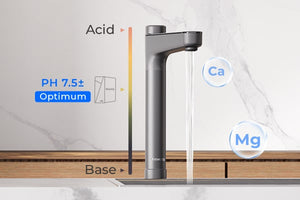
- Alkaline Minerals Added: This process adds beneficial minerals (like Calcium and Magnesium) back into the water, adjusting the pH to an optimal 7.5±. For aquariums, this feature is a critical point of choice:
Both systems offer the tankless design, which ensures the water produced is fresh and free from the risk of secondary contamination that can occur in standing tanks—a notable advantage for sensitive aquatic life.
FAQs About RO Water for Aquarium
Is RO Water Safe for All Types of Fish?
Yes, but with caveats. RO water is safe when properly remineralized. For betta fish or goldfish in freshwater tanks, it prevents toxin buildup, but species like discus require specific adjustments. Always research your fish's needs.
Do I Need to Add Minerals Back to RO Water?
Absolutely, for most aquariums. Pure RO lacks electrolytes, so adding a remineralizer maintains osmotic balance. Or you can purchase remineralization RO system, like Waterdrop X12, or Waterdrop T3-M 450G Remineralization RO Water Filter . This is especially important in planted tanks where nutrients support root health.
How Does RO Water Affect Aquarium pH Levels?
RO water tends to be neutral or slightly acidic, around pH 7. Without minerals, pH can fluctuate. Use buffers to stabilize it, and test regularly to keep your aquarium environment steady.
Is Reverse Osmosis Better Than Distilled Water for Aquariums?
RO is often preferred because it's more accessible and retains trace elements if needed. Distilled water is similar in purity but harder to produce at home.
How Often Should I Change RO Filters?
Typically, every 6-12 months, depending on usage and water quality. In areas with high sediment, like parts of the Southwest, more frequent changes RO filters prevent clogs.
Conclusion: Making the Right Choice for Your Aquarium Water
In summary, reverse osmosis water can indeed be ideal for your aquarium, offering purity and control that's hard to match with untreated tap water.
It's particularly beneficial for sensitive species or those aiming for professional-level setups. However, it requires thoughtful implementation, including remineralization and regular maintenance, to avoid drawbacks.
Start small, monitor your tank, and enjoy the vibrant underwater world you've created.

Choose Your Water Solutions
- Smart Reverse Osmosis System No Tank, No Bacteria
- Water Filter for Sink Space & Water Saving
- Refrigerator Water Filter Pure Water, Effortlessly
- Water Filter Pitcher Stay Hydrated Always
- RO System Replacement Filters Change Your Filters Regularly
Categories
- Buyer's Guide Complete buying guides to help you choose wisely
- Water Contaminants Offer the best solution to solve the water problems
- Water Stewardship Responsibility for sustainable water management
- Home and Wellness A better and healthier world for individuals and families
- Customer Voice Take a look at how other users evaluate Waterdrop


