




How Much Water Does the Average Person Use Per Day?
by
DoyleDr. Jonathan - Updated September 01, 2025


Water is a part of daily life in the United States, not just for drinking but for bathing, cooking, cleaning and
mowing lawns and gardens. Knowing how much water the average person uses each day can help raise awareness about
water conservation which is more important than ever with environmental challenges and water scarcity in some areas.
This detailed guide breaks down average daily water use, areas of consumption and practical tips to manage and
reduce water usage while living healthy.
Why Daily Water Use Matters
Water usage is a big issue tied to environmental sustainability, cost savings and resource management. Americans use
a lot of water in their daily routines and it impacts municipal water systems and natural water sources. By knowing
where water is used most, individuals can make smart choices to reduce waste, save money and help preserve water for
future generations.
Average Water Use Per Person Per Day in the US
According to
the U.S. Environmental Protection Agency (EPA), the
average American uses about 82 gallons (310 liters) of water per day at home. This is a median estimate and varies
depending on household size, region, climate and lifestyle.
Other sources say the average household (2.6 people) uses over 300 gallons of water per day indoors. That’s 115
gallons per person when you consider shared household resources. But practical estimates for per person water use
range from 60 to 100 gallons per day depending on individual habits and appliance efficiency.

Breakdown of Typical Water Use Activities
Water use can be categorized into various activities that add up to daily consumption. Here’s a breakdown of common
daily water consumption per activity per
person:
- Toilet flushing: 24% of indoor water use. People flush toilets about 5 times a day, using about 2.6 gallons per flush.
- Showers and baths: 17% to 20% of water use. A typical shower uses 17 to 25 gallons, and a bath uses 20 gallons.
- Faucets: Everyday washing activities like brushing teeth, hand-washing, and dish-washing account for 15% to 19% of water usage. Faucet flow rates release about 2 gallons per minute.
- Clothes washing: 17% of household water use. 5 to 6 loads per week per household. Modern energy-efficient washers use 15 to 30 gallons per load.
- Leaks: 14% of water loss in households. Timely repair is key.
- Outdoor water use: 30% to 50% of total household consumption, depending on the season. Summer is the highest.
How Much Water Do We Drink?
While daily water use is high due to household chores and hygiene, the amount of water humans drink is much lower.
The average person drinks under 1 gallon (3.7 liters) of water daily. Many health experts recommend 2 to 3 liters
depending on activity and climate.
Click here to learn more about
Top Benefits of Drinking Water for Health and Wellbeing.

Regional and Lifestyle Factors Affecting Water Use
Water use varies across the US depending on climate, urban vs rural, and personal habits. For example:
- Arid states like Arizona or Nevada use more outdoor water for irrigation
- Households with water-efficient appliances use less water.
- Elderly or single-resident households use less water per capita.
- Families with young children or larger household size use more total water.
Using Reverse Osmosis Systems to Save Water and Ensure Water Quality
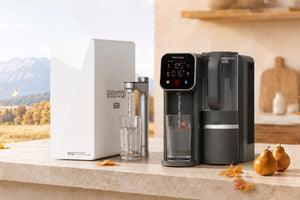
Reverse osmosis (RO) systems
are popular in many American homes. They can improve water quality by removing impurities, heavy metals and
contaminants, providing clean and safe drinking water. Beyond improving water quality, modern RO systems have also
become more water-efficient, helping households save water overall.
Traditional RO systems were known to waste a lot of water—sometimes several gallons of water for every gallon of
purified water. But with advancements in RO technology, high-efficiency reverse osmosis systems have been created
that reduce water waste dramatically.
Benefits of Reverse Osmosis Systems
- Better tasting water: Removal of chlorine, sediment and dissolved solids.
- Healthier water: RO removes lead, arsenic and nitrates.
- Environmental benefits: Reduces water waste and lowers utility bills.
- Energy savings: Eco-friendly models reduce electricity consumption.

Investing in a modern efficient RO system can save thousands of gallons of water per year, lower water bills and
environmental footprint, all while having access to great tasting drinking water.
Ways to Reduce Daily Water Use
Conserving water is key to sustainability and cost savings. Here are practical tips to reduce water use:
Indoor Water Saving Tips
- Fix leaks quickly: A small drip can waste gallons daily.
- Install water-efficient fixtures: Low-flow shower heads, faucets and toilets can reduce usage by 30%.
- Take shorter showers: Reduce shower time by a few minutes to save gallons.
- Only run dishwashers and washing machines with full loads to maximize efficiency.
- Turn off faucets while brushing teeth or shaving.
- Consider installing a modern reverse osmosis purifier to have drinking water quality and reduce reliance on bottled water or less efficient purification methods.
Outdoor Water Saving Tips
- Water lawns early morning or late evening to minimize evaporation.
- Use drought-resistant plants and landscaping.
- Collect rainwater for irrigation where possible.
- Don’t over-water and use timers for sprinklers.

Behavioral Changes
- Track water usage by checking water bills or using smart water meters.
- Use water recycling systems for wastewater reuse.
- Educate family members about water conservation.
Why Water Conservation Matters Environmentally and Economically
Water is scarce in many areas and excessive use puts stress on local water supplies and natural ecosystems.
Conserving water reduces energy used in water treatment and pumping, which lowers carbon emissions.Financially,
water conservation also means lower utility bills. The average
US household spends around $500 a year
on water and sewer service. Efficient water use, combined with reverse osmosis systems can save a lot of that.
How Much Water Should You Use: Balancing Needs and Conservation
While conservation is important, staying hydrated and maintaining sanitary conditions should not be compromised. The
focus should be on mindful water use—using clean, safe water efficiently without waste.
Summary
The average American uses 60 to 100 gallons of water a day for drinking, hygiene, cleaning and outdoor activities.
Drinking water is a small fraction of that. By adopting simple habits, efficient technologies and modern water
purification solutions like high-efficiency reverse osmosis systems, households can reduce their water usage, save
money and protect water resources.

Choose Your Water Solutions
- Smart Reverse Osmosis System No Tank, No Bacteria
- Water Filter for Sink Space & Water Saving
- Refrigerator Water Filter Pure Water, Effortlessly
- Water Filter Pitcher Stay Hydrated Always
- RO System Replacement Filters Change Your Filters Regularly
Categories
- Buyer's Guide Complete buying guides to help you choose wisely
- Water Contaminants Offer the best solution to solve the water problems
- Water Stewardship Responsibility for sustainable water management
- Home and Wellness A better and healthier world for individuals and families
- Customer Voice Take a look at how other users evaluate Waterdrop


